

“Cold calling” and “lead generation” are two terms that are often used by the sales development representatives or sales development team. The sales professionals use these two terms to refer to the activities that help a business with customer acquisition and sales conversation.
However, there are some key differences between these two activities that you should know if you want to apply them to generate sales in your business. In this blog, we will explore what cold calling and lead generation are, what sets them apart, and how to decide which approach you should choose.
What is cold calling?
Cold calling is an outreach method salespeople or cold calling services use to contact potential customers of a business who have little or no knowledge about it. Cold calling is a channel sales professionals use to reach out to potential customers who have no prior interaction with their business. The term “cold” is used because it refers to an unsolicited call to a customer with no previous contact with the business or sales representative. After making the call, the sales professionals slowly try to establish a connection with a potential customer to set an appointment for selling their product or service.
A sales representative can also use the similar approach with someone who has already shown interest in buying their product by visiting their website or attending their webinar. But in that case, it will be known as “warm calling” since the potential customer already has some knowledge about their business or service.
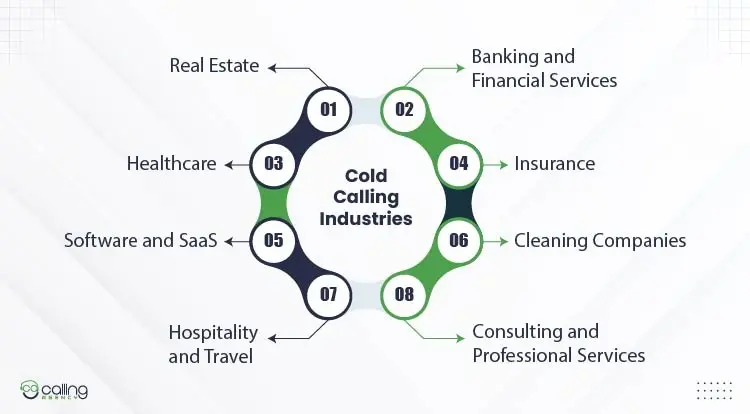
Cold calling is most frequently used in the following industries:
- Real Estate
- Banking and Financial Services
- Healthcare
- Insurance
- Software and SaaS
- Cleaning Companies
- Hospitality and Travel
- Consulting and Professional Services
What is Lead Generation?
Lead generation is the process of identifying, qualifying, and nurturing potential customers through conversion funnels to drive sales. It is a technique used by both B2B and B2C businesses.
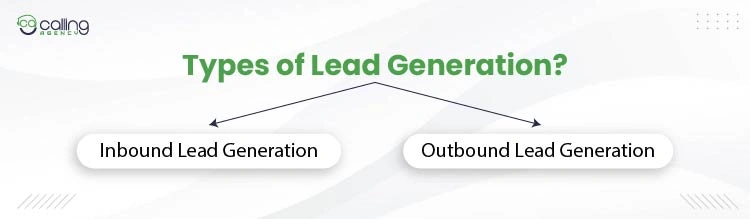
Based on the method of reaching out to a potential buyer, lead generation can be divided into two categories: inbound lead generation and outbound lead generation.
Inbound Lead Generation
Inbound lead generation attracts customers through content marketing, SEO, and free resources instead of directly approaching them with a phone call, message, email, or paid advertising. Marketers or sales development teams can also use this technique for collecting information about their potential buyers and later qualifying them for sales conversion.
Outbound Lead Generation
Outbound lead generation is a process where the sales professionals of a business or lead generation services actively reach out to people who have shown interest in buying their products. Some outreach channels used in this technique include cold calling, cold emailing, LinkedIn prospecting, or PPC to connect with prospects.
Cold Calling vs Lead Generation: 2026 Statistics
Some people can be skeptical about the effectiveness of cold calling, considering that prospects may often ignore unexpected calls from sales representatives. However, recent statistics show that cold calling is still effective, especially in B2B lead generation.
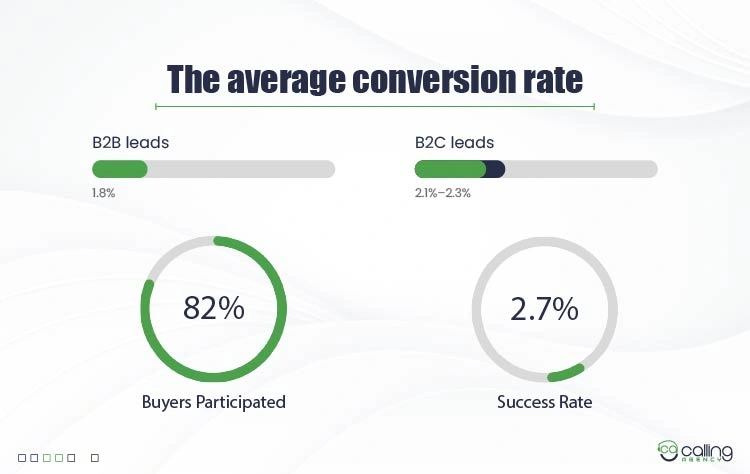
A study from Rain Group revealed that about 82% of B2B buyers participated in a meeting or event as a result of cold-calling outreach.
According to the State of Cold Calling Report 2026 from Cognism, the success rate of cold calling is about 2.7% on average. Last year it was 2.3%, which indicates that it is performing even better now.
Meanwhile, 2026 lead generation statistics show that the average conversion rate for B2B leads is 1.8%, while the B2C lead conversion rate is about 2.1%–2.3%.
Here are some other key stats to compare cold calling against lead generation:
| Factor | Cold Calling (2026) | Lead Generation (2026) |
| Cost & ROI | Average ROI of $4.50 per $1 spent; lower upfront cost but high labor intensity. | Average CPL around $198; higher upfront cost but scalable ROI through automation. |
| Speed to Results | Immediate, successful cold calls can lead to a scheduled meeting or an appointment. | Gradual—Once someone downloads a resource or visits a website, they need long-term nurturing for conversion. |
| Lead Quality & Intent | Cold and low-intent leads often have no prior experience with the business. | Higher-intent leads express interest via forms, content, or ads before contact. |
| Scalability | Very limited—reaching more people requires additional hours. | Highly scalable—automation and AI assistant tools have made it possible to reach audiences within a short time. |
| Rejection & Burnout Rate | The average cold call to appointment rate is 2.3%; that means about 98% of cold calls don’t lead to success. About 74% of call center agents report having burnout. | About 80% of new leads never convert into sales. The percentage of marketers responsible for lead generation who have experienced burnout at least once in their career is about 83.3%. |
| Brand Building | Cold calling is mostly focused on sales conversion, not brand building. | Highly effective for brand building and long-term organic growth. |
| Compliance Risk | Higher must follow telemarketing and data‑privacy laws strictly. | Moderate, governed by digital marketing and GDPR compliance standards. |
| Best Fit Industry / Business Type | B2B sectors needing direct contact (real estate, insurance, facility services). | Digital‑first industries (SaaS, e‑commerce, consulting, education). |
Pros and Cons of Cold Calling
Here are some advantages and disadvantages of cold calling:
Pros:
- Effective for establishing real-time contact with the decision-maker of a business and overcoming their objection.
- Provides immediate feedback from prospects whether or not they are interested in having an appointment.
- Cold calling works with minimal technology or setup. All you need is a prospect list and a script.
- Effective for selling high-ticket or complex products when decision-makers are accessible.
Cons:
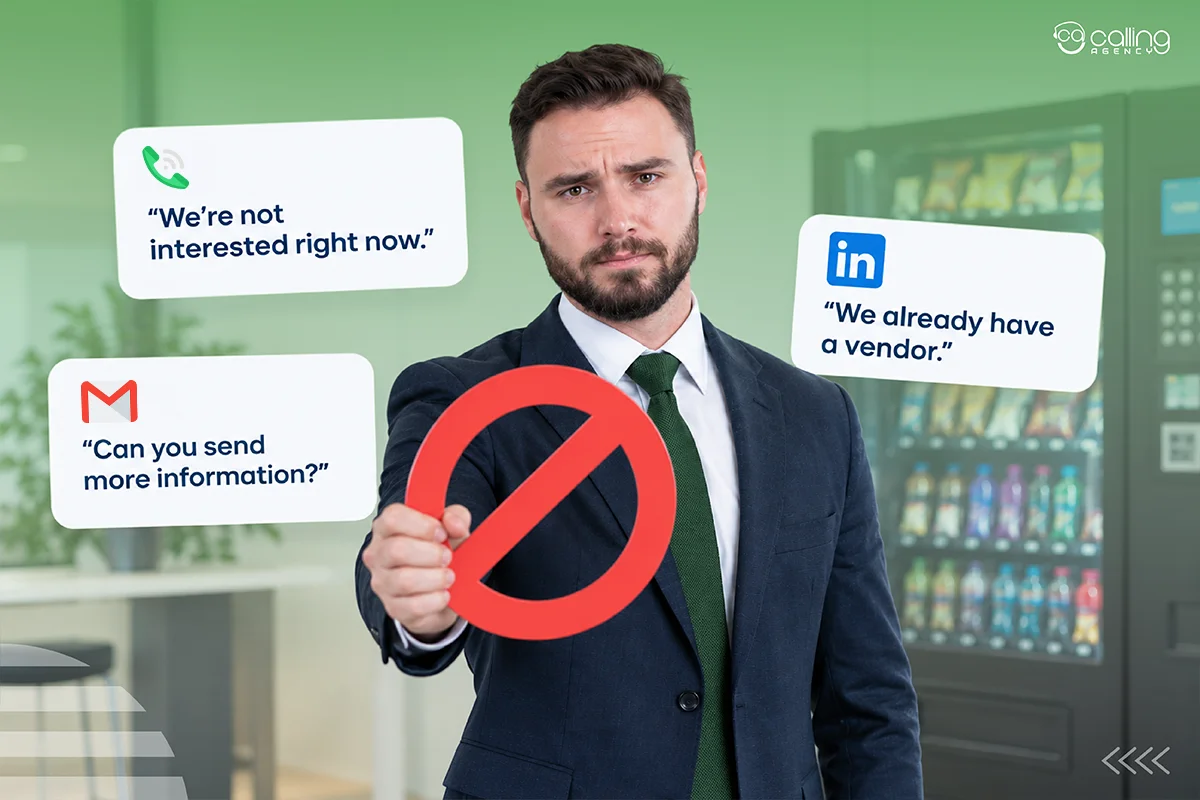
- Decision-makers may not often pick up a cold call. Recent statistics show that about 80% of calls end up in voice mail.
- Success depends on strong prospect research and objection-handling techniques.
- Some prospects consider cold calls intrusive, and they may get a negative impression of your business.
- A typical cold call lasts 5-10 minutes. A sales rep needs to identify their prospect’s concern and overcome their objection within a short window.
Pros and Cons of Lead Generation
Here are some advantages and disadvantages of lead generation:
Pros:
- There are multiple channels you can use for outreach to a prospect, including email, LinkedIn, and SEO.
- Content marketing and inbound lead generation campaigns can support your business with long-term organic growth. For example, a high-quality blog can send traffic to your business website for several years.
- It is possible to reach out to a mass audience with automation, AI, and CRM tools.
- Long time frame for lead nurturing; for example, cold email campaigns can even last for months.
Cons:
- Verifying lead quality can be difficult and time-consuming; for example, not everyone who visited or downloaded your resource may have buying potential.
- Lead generation can be highly competitive since many companies use the same lead generation strategy.
- It takes consistent follow-up, personalized content, and long-term nurturing to convert a prospect.
- It takes a significant amount of investment, as you need to pay for automation tools, CRM subscriptions, content creation, and ad spend.
- Feedback and performance analysis for outreach channels can take a long time. For example, SEO can take 3-6 months to show results.
Which One Should You Choose?
Lead generation and cold calling both can help you create more sales opportunities for your business. However, which approach will be suitable for your business basically depends on the type of product or service you’re selling and your overall sales objectives.
Here is a decision framework to identify which one will be best for you:
When to Choose Cold Calling
Cold calling is ideal if you want to sell high-ticket products or services such as real estate, insurance, or merchant services. It will give you the opportunity to directly reach out to the decision makers, identify their concerns, and handle their objections in real time to make a sale.
It is suitable for you if you are mainly looking for regular sales within a short timeframe. About 2% of cold calls result in a sale from the first contact. So even though the success rate of cold calls is lower than other lead generation channels, it can be very effective for making quick sales.
However, cold calling doesn’t add any value to your organic growth since it just ends with a
“Yes” or “No,” and a large portion of cold calls go to voicemail.
When to Choose Lead Generation
Lead generation, on the other hand, can build long-term brand visibility, especially when done through content marketing, SEO, or paid advertising. But it takes more time than cold calling. It requires multiple follow-ups, and the result is not immediate.
The cost of lead generation can add up over time, and chasing low-quality leads can also increase your cost per lead. So you should go with lead generation when you are looking for long-term growth for your brand and business. In that case, the time, effort, and money you spend for generating leads will eventually pay off.
Conclusion
Cold calling and lead generation both can help a business drive sales conversion, but they work in very different ways. Cold calling gives you the ability to establish a direct connection with a decision-maker and overcome their objections. The success rate of cold calling is very low, but it has a very short feedback and result-delivery cycle.
Lead generation, on the other hand, is a lengthy process where you need to spend a hand of time building awareness and attraction. A large portion of leads that you manage from lead generation campaigns can be rejected by your sales team. However, it can give you long-term benefits by increasing your brand visibility and supporting organic growth.
FAQ Section
Is cold calling still effective in 2026?
Yes, cold calling is still effective in 2026, and its success rate has increased. The cold calling success rate has climbed to 2.7%, and last year it was 2.3%.
What is the difference between cold calling and lead generation?
Cold calling is a direct outreach method that focuses on setting appointments and generating sales within a short time frame. Lead generation is a lengthy process of targeting, attracting, and nurturing potential customers of a business.
Which has a better ROI: cold calling or lead generation?
Lead generation usually gives you better ROI because with it you can manage more qualified leads over time. But cold calling gives you the first result and is often used for high-ticket sales. So you can combine both of them to get the best results.
Can you do lead generation without cold calling?
Yes, lead generation uses multiple inbound and outbound channels to reach out to potential customers, such as SEO, content marketing, cold email, LinkedIn prospecting, paid ads, etc.
How is AI changing cold calling and lead generation?
AI can help you identify and target the most promising leads in cold calling. For lead generation, AI can help you automate your workflow content creation or message scheduling.
What is the average conversion rate for cold calling?
The average conversion rate for cold calling stands between 2-3%, and the top-performing sales team can achieve a 5-8% success rate.
What is the best lead generation strategy for B2B?
Some of the best lead generation strategies for B2B include cold email, cold calling, content marketing, LinkedIn prospecting, etc.